
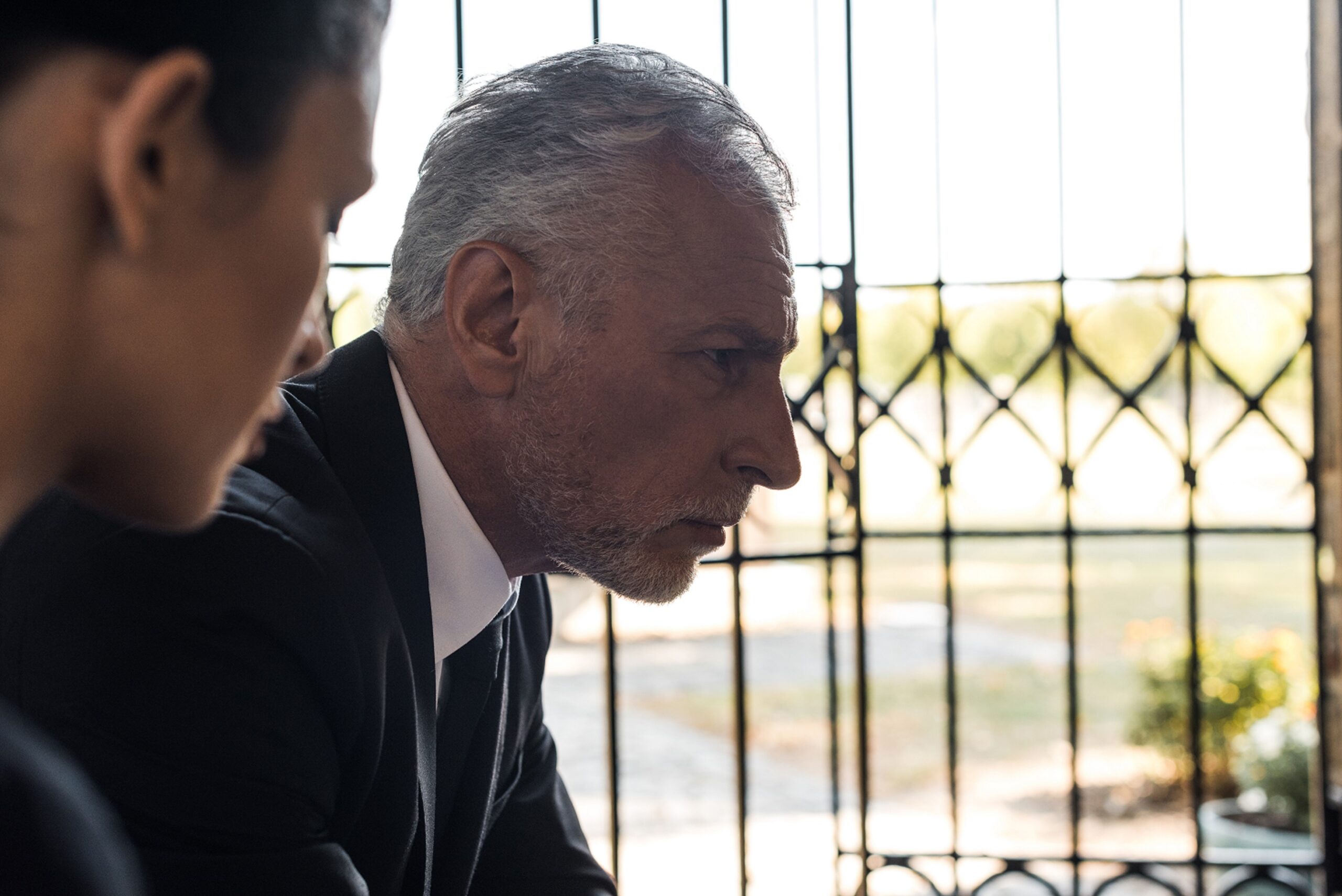
The loss of a spouse is one of life’s most profound challenges. Whether it happens suddenly or after a long period of decline, the emotional weight is immense. Amidst this grief, surviving spouses face a demanding list of legal and administrative responsibilities that must be managed carefully.
According to this article from Motley Fool, one critical task involves Social Security. If your deceased spouse was receiving benefits, contacting the Social Security Administration (SSA) is a priority. Reporter Maurie Backman explains that failing to take this simple step can lead to significant financial headaches, as the government will eventually reclaim any overpayments made after the date of death.
Why You Should Contact Social Security Immediately
“The death of a spouse can be a traumatic event at any age or stage of life,” Backman writes in his Motley Fool article. “If you lost a spouse, you may have a lot on your plate, like making funeral arrangements and contacting family members and friends to let them know.”
The article raises a vital question for survivors: if your spouse was collecting benefits, do you need to alert the SSA right away? Furthermore, does their death mean those specific benefits end immediately?
Backman offers a clear recommendation for these situations. “It’s best to inform the SSA as soon as reasonably possible following the death of a spouse,” he advises. While some funeral homes offer to report the death if provided with the Social Security number, Backman suggests following up personally. “It’s generally a good idea to make that call yourself so you know it’s taken care of.”
Returning Payments After a Spouse’s Death
The Motley Fool report clarifies that Social Security rules are strict regarding eligibility. “Once a person is no longer living, they can no longer collect Social Security. So it’s important to contact the SSA so it knows to stop payments.” If a payment is deposited into your joint or individual account after the passing, it must be returned.
“If, for example, your spouse passes away in January but the SSA still sends their monthly benefit in February, that February payment isn’t yours to keep,” Backman warns.
Understanding Your Potential Increase in Survivor’s Benefits
The original article highlights a vital distinction between spousal and survivor’s benefits that could help your financial situation. “If you’re married to someone who was collecting Social Security, once they pass away, you’re generally entitled to survivor’s benefits,” the article states. “In that case, your monthly benefit will equal the amount your spouse was receiving on a monthly basis.”
Backman notes that for many, this results in an automatic income boost. “If you’re already receiving spousal benefits from Social Security at the time of your spouse’s death, those spousal benefits will automatically convert to survivor’s benefits. And that will generally mean a bump up in pay.”
A spousal benefit is typically limited to 50% of the worker’s benefit. However, survivor’s benefits allow the living spouse to receive 100% of the deceased spouse’s monthly amount. For instance, if the deceased spouse received $2,800 and the survivor received a $1,000 spousal benefit, the survivor’s monthly income would rise to $2,800.
Comparing Your Personal Benefit to Survivor’s Benefits
There is an additional layer to consider if you have your own work history. “Now, let’s say you’re entitled to a Social Security benefit of your own based on your personal wage history,” writes Backman. “If you’re already getting those benefits but you stand to collect more money via survivor’s benefits, you can apply for the latter and boost your monthly Social Security paycheck. But if your personal benefit is higher than what you’d get in survivor’s benefits, you might as well stick with your own benefit.”
Social Security regulations do not allow for “double dipping.” You must choose the higher of the two benefits rather than collecting both simultaneously.
Securing Your Financial Future During Transition
“Losing a spouse is never easy,” the article concludes. “If your spouse passes away, contacting the SSA as soon as possible could spare you a hassle with regard to having to repay benefits. At the same time, you should be aware of your rights as a survivor and go after the benefits you’re entitled to.”
The long-term impact of maximizing these benefits can be substantial. “Collecting a survivor’s benefit could at least help ensure that you don’t end up struggling financially while you mourn the loss of a very important person in your life,” says Backman. If you need assistance navigating this life transition, please reach out to us. We are here to help answer your questions.
Rajiv Nagaich – Your Retirement Planning Coach and Guide
Rajiv Nagaich’s newest program on PBS, called Designing Your Ideal Future, is bringing Rajiv’s powerful message to Americans from coast to coast. This engaging and challenging PBS show is prompting thousands to take a fresh look at the type of planning that will help them succeed in retirement.
In this one-hour PBS special, Rajiv Nagaich takes viewers step-by-step through the principles of creating a retirement plan that truly supports the life you want to live. Instead of generic check-the-box paperwork, Rajiv reveals how to infuse your perspective — your values, goals, and priorities — into every legal document and life plan component so your plan becomes a living system for your future.
Designing Your Ideal Future includes insights from real-world planning examples and a live Q&A with Rajiv Nagaich that answers viewer questions about retirement planning, legal readiness, and family communication. It’s perfect for anyone approaching retirement, currently retired, or responsible for a loved one’s future care — and for those who want a clear, effective approach to planning that prioritizes personal choice and quality of life.
What about you?
You’ve heard Rajiv say it repeatedly: 70 percent of retirement plans will fail. If you know someone whose retirement turned into a nightmare when they were forced into a nursing home, went broke paying for care, or became a burden to their families — and you want to make sure it doesn’t happen to you — then these materials are your key to retirement success.
Visit your local PBS station’s schedule to find airtimes and learn how to access companion resources — including a free Legal Readiness Quiz and tools to help build your complete LifePlanning system.
Don’t remain among the millions of Americans sleepwalking their way into a retirement they never wanted. Instead, your retirement can be the exciting and fulfilling life you’ve always hoped it would be. Start by watching, reading and sharing Rajiv’s important message.
And remember, Age On, everyone!
The post After the Death of a Spouse, Make Sure to Contact Social Security appeared first on Home.
